Skip to content

From Portfolio to Business: When Does a Landlord Become an Enterprise?

For many landlords, that moment has already passed — but the structure has not caught up.
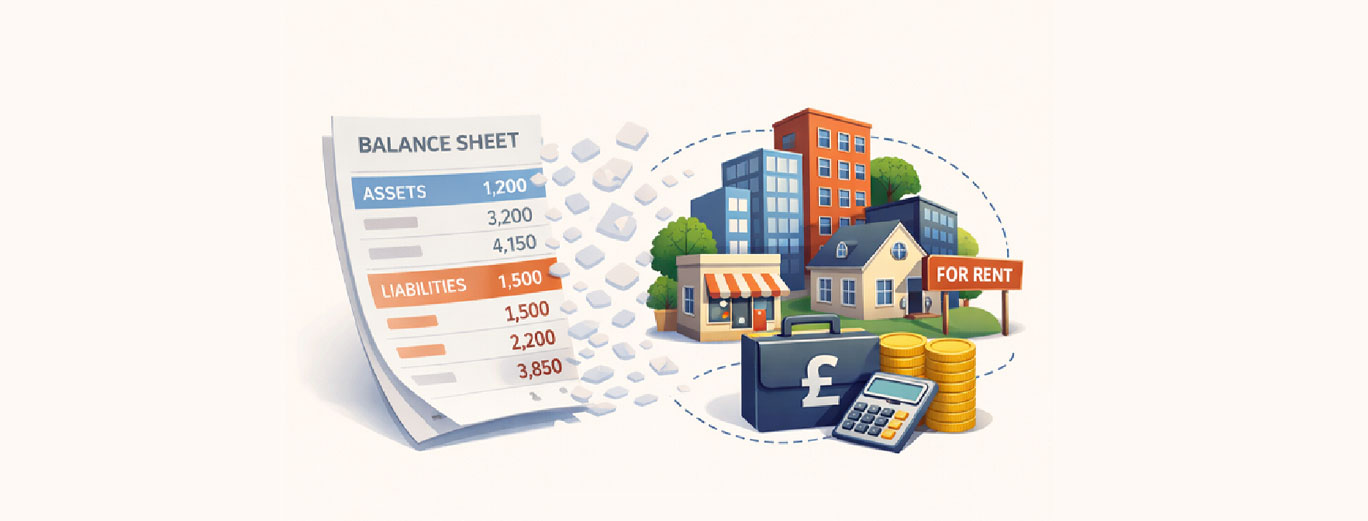
In many cases, landlords continue to operate with structures designed for:


  • Multiple properties
  • Regular financing decisions
  • Letting agents or staff
  • Ongoing operational oversight

Then in substance, it is already operating as a business.


However, many remain structured as individuals.


This creates a disconnect.


From a tax and planning perspective, this distinction becomes critical — particularly when considering reliefs such as Taxation of Chargeable Gains Act 1992 Section 162.


The key question is not simply how many properties are owned.


It is whether the activity demonstrates:

  • Organisation
  • Continuity
  • Commercial intent
 

Where these are present, a stronger case exists for:

  • Structured planning
  • Transitional vehicles such as partnerships
  • Longer-term incorporation strategies

Equally important is governance.


A portfolio operating at scale benefits from:

  • Defined roles
  • Clear profit allocation
  • Documented decision-making

This is not about complexity for its own sake.


It is about alignment.


When structure reflects reality, planning becomes clearer, risks become more manageable, and future transitions become more controlled.


The shift is subtle but important:
From owning property — to operating a property business.